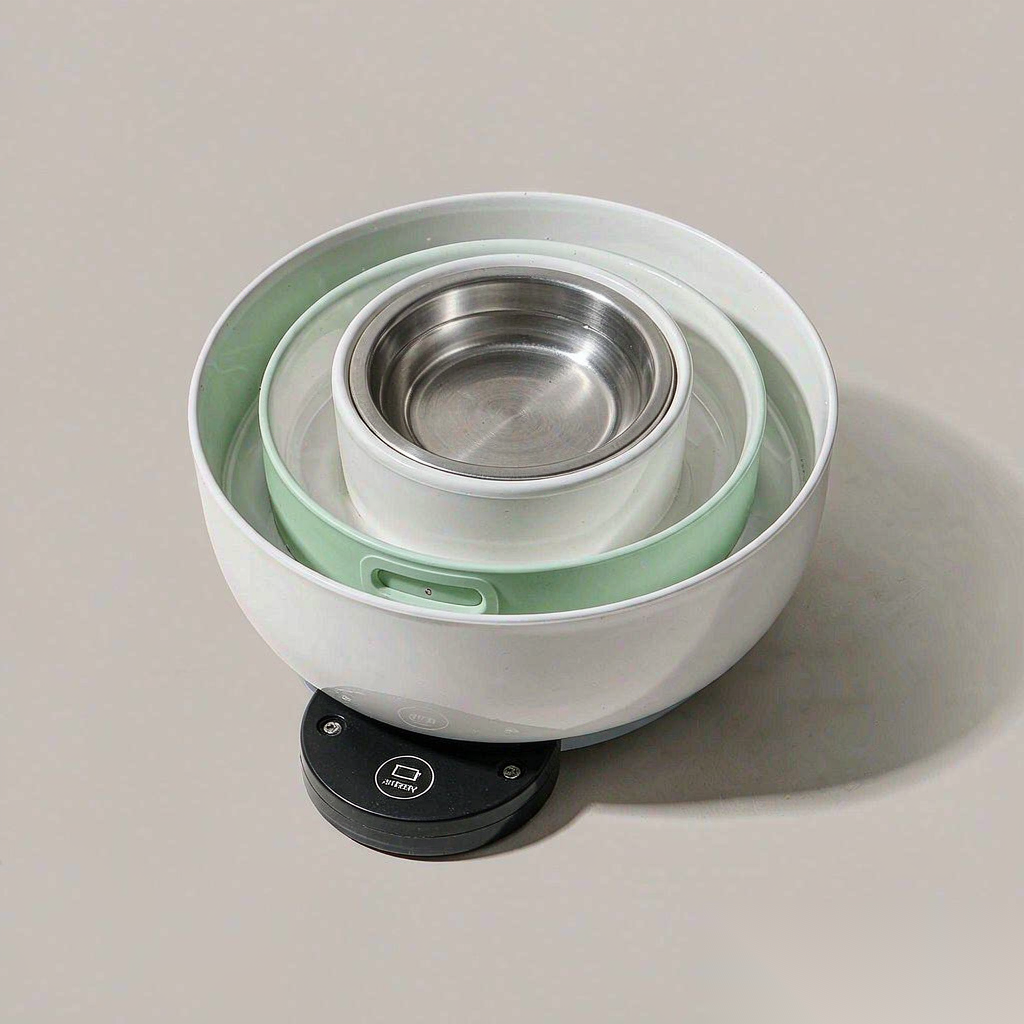
The standard figure is 40 to 60 millilitres per kilogram per day. A 4 kg cat should be drinking roughly 160 to 240 ml — about one small glass of water. Most cats drink less than that, and have for their whole lives, which is why the useful question is not the number but the change in the number.
Why cats are bad at this
Cats descend from desert hunters. Their kidneys concentrate urine extremely efficiently, and their thirst drive is correspondingly weak. A cat will often run a mild chronic deficit for years without any obvious symptom — until the kidneys or urinary tract show it.
This is why "my cat has always been fine" is not evidence that hydration is fine.
The number, in context
| Cat weight | Typical daily intake | What that looks like |
|---|---|---|
| 3 kg | 120–180 ml | One small bowl, plus food moisture |
| 4 kg | 160–240 ml | One glass |
| 5 kg | 200–300 ml | Just over one glass |
Wet food counts. A 85 g pouch of wet food is about 70% water, contributing roughly 60 ml. An all-dry diet is the most common reason a cat is permanently borderline.
The signal that matters is a change: a cat that suddenly drinks a lot more is a cat that needs a vet, not a fountain.
What actually increases intake
- Moving water. Reliable but modest effect — most cats show a preference, not a transformation.
- Bowl width. Whisker contact is a real aversive for many cats. Wide, shallow bowls beat deep ones.
- Placement away from food. Cats naturally avoid water beside a kill site. Most owners put the bowl directly next to it.
- Multiple stations. One bowl in a two-cat house is a competition, not a water source.
- Stainless or ceramic. Plastic scratches and harbours biofilm, which changes the taste.
Multi-cat households: the real problem
If you have three cats and one fountain, you know the total, not the distribution. The common failure mode is not a cat drinking too little overall — it is one specific cat dropping its intake while the household total looks normal. That is the case where per-cat tracking earns its price.
General information only. Persistent changes in drinking, urination or appetite should be assessed by a veterinarian.